Kyle Stewart
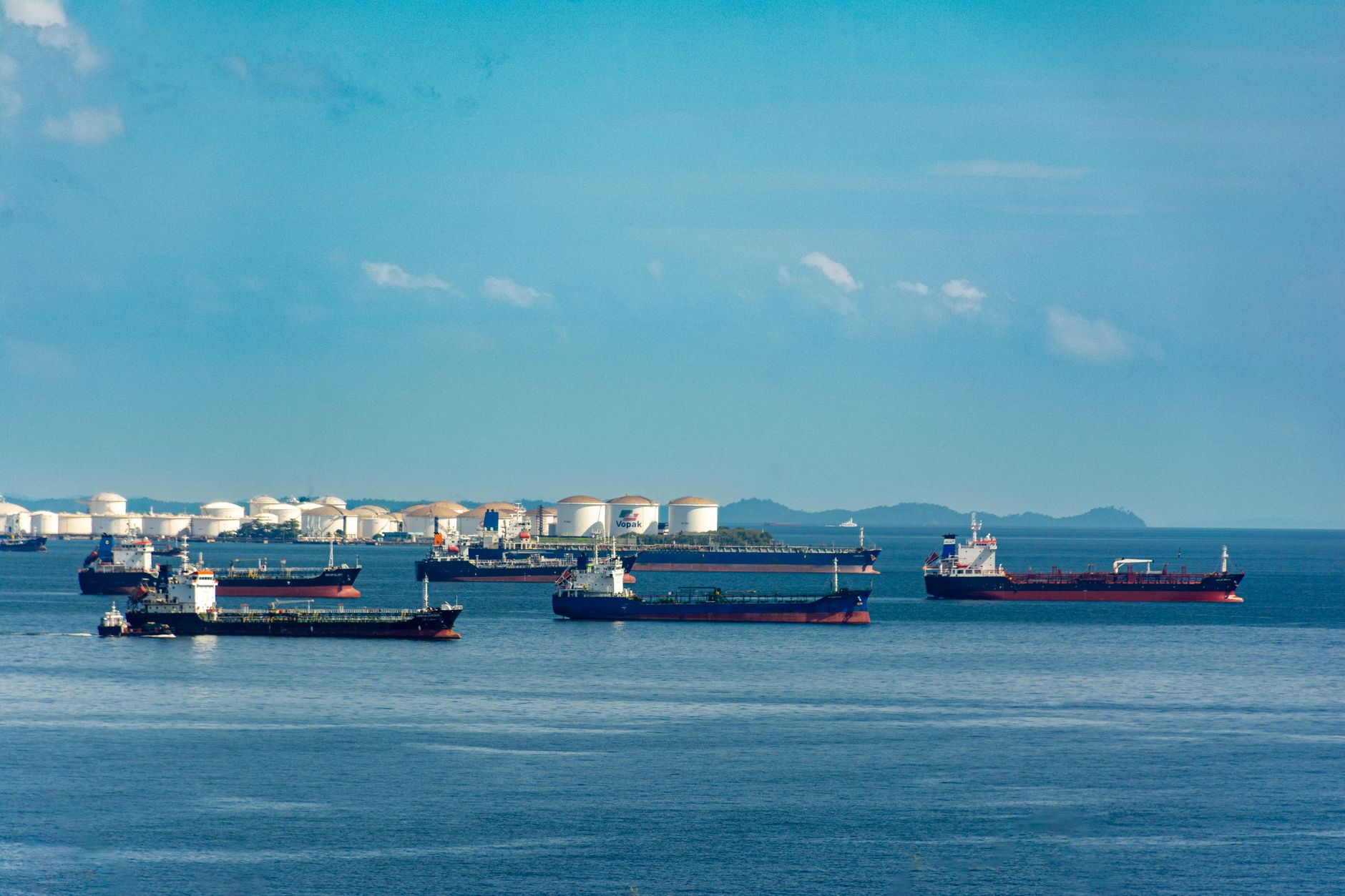
Tanker Freight Rates are becoming increasingly important for Asia’s logistics landscape. As crude prices fluctuate, understanding the implications of these rates is vital for businesses and consumers alike.
Understanding Tanker Freight Rates
Understanding tanker freight rates is crucial for stakeholders in Asia’s shipping and energy markets. These rates, which represent the cost of transporting crude oil and refined products via tankers, have gained significant importance in recent times. They often reflect the balance between supply and demand within the shipping industry, influencing overall trade dynamics.
Several factors contribute to the fluctuations in tanker freight rates:
- Global Oil Demand: Rising demand for oil in emerging economies can increase freight rates as more shipments are required.
- Supply Chain Disruptions: Issues such as geopolitical tensions, natural disasters, or pandemics can impact shipping routes and availability, driving rates higher.
- Vessel Availability: The number of tankers available for charter influences pricing; a shortage can lead to increased freight costs.
- Regulatory Changes: New environmental regulations may require retrofitting vessels, affecting operational costs and, consequently, freight rates.
As tanker freight rates continue to rise, they can significantly affect the profitability margins of oil traders and refiners in Asia. Understanding these rates is essential for making informed business decisions in the energy sector.
The Impact of Crude Prices
The dynamics of tanker freight rates are increasingly influenced by fluctuations in crude oil prices, which can have substantial repercussions for markets across Asia. As crude prices rise, the cost associated with transporting oil also escalates, leading to heightened tanker freight rates. This relationship creates a ripple effect throughout the region’s economy.
One of the primary impacts of rising crude prices is the strain it places on importers. Countries that rely heavily on oil imports may find their trade balances affected, as they face increased shipping costs on top of higher crude prices. Additionally, consumers could experience an uptick in fuel prices, impacting everything from transportation to manufacturing costs.
Moreover, the volatility in crude prices has led to a more speculative market for tanker freight. Shipowners and operators are adjusting their strategies in anticipation of these fluctuations, often resulting in short-term contracts that can further exacerbate pricing instability.
As Asia continues to navigate these challenges, understanding the direct correlation between crude prices and tanker freight rates becomes essential. Stakeholders must remain vigilant to adapt to ongoing changes in this critical sector.
Why Freight Rates Matter Now
The recent fluctuations in tanker freight rates have raised significant concerns across Asia’s shipping and trading sectors. As global demand for oil continues to evolve, the costs associated with transporting these vital resources are becoming increasingly critical.
Several factors contribute to the urgency surrounding tanker freight rates. First, the volatility in the market directly influences the profitability of shipping companies. When rates surge, it can lead to increased operational costs for businesses reliant on maritime transport.
Additionally, the influence of geopolitical tensions cannot be overlooked. With many countries imposing sanctions or altering trade routes, the shipping industry must adapt quickly. This has resulted in heightened competition among carriers, further impacting freight rates.
Furthermore, as Asia emerges as a dominant player in global oil consumption, the implications of rising freight costs on the supply chain are profound. A few key considerations include:
- Increased consumer prices: Higher freight rates can lead to elevated costs for end-users.
- Supply chain disruptions: Unpredictable rates may result in delays and inefficiencies.
- Investment shifts: Companies may reconsider their logistics strategies in response to changing costs.
In this evolving landscape, understanding tanker freight rates is more crucial than ever for stakeholders across the region.
Current Trends in Shipping
In recent months, the shipping industry has witnessed significant fluctuations in tanker freight rates, which are now playing a crucial role in shaping Asia’s market dynamics. These rates have seen an upward trend, primarily driven by increased demand and tighter supply chains. Industry analysts are closely monitoring these changes as they could signal broader economic implications.
Several factors contribute to the current trends in shipping:
- Increased Demand: The resurgence of global trade following pandemic-related restrictions has led to heightened demand for oil transportation.
- Geopolitical Tensions: Regional conflicts and sanctions have disrupted traditional shipping routes, causing a spike in freight costs.
- Environmental Regulations: New regulations aimed at reducing emissions have prompted some tankers to undergo retrofitting, further limiting supply.
- Seasonal Variations: The demand for oil typically rises during certain seasons, influencing freight rates significantly.
As a result, the implications of changing tanker freight rates extend beyond shipping companies themselves; they affect consumer prices and market stability across the region. Stakeholders must remain vigilant to navigate these evolving trends effectively.
Future Projections for Asia
As the shipping industry evolves, future projections for Asia indicate that tanker freight rates will play a pivotal role in shaping market dynamics. Analysts suggest that the interplay between supply chain disruptions and fluctuating global demand will dictate these rates in the coming months.
Several key factors are expected to influence tanker freight rates:
- Supply Chain Resilience: The ability of shipping companies to adapt to ongoing disruptions will be crucial. Companies that invest in more resilient logistics solutions may mitigate the impact of rising freight costs.
- Regional Demand Fluctuations: As economies across Asia recover at different paces, demand for oil and oil products will vary significantly, potentially leading to increased competition for tanker space.
- Environmental Regulations: Stricter regulations aimed at reducing emissions could affect fleet operations, leading to changes in freight pricing structures.
- Geopolitical Tensions: Escalating tensions in key oil-producing regions can lead to volatility in tanker freight rates, creating uncertainty in the market.
In summary, as Asia navigates these challenges, tanker freight rates will remain a critical barometer of market health and economic stability.
Navigating the Logistics Landscape
The logistics landscape in Asia is undergoing significant changes as tanker freight rates become increasingly influential in the region’s economic dynamics. Diverse factors are contributing to this shift, making it essential for stakeholders to adapt and navigate this evolving terrain.
One major aspect affecting tanker freight rates is the surge in demand for transportation of goods across the Asia-Pacific region. This increased demand, driven by robust economic growth and heightened consumer spending, puts pressure on shipping capacity and ultimately influences freight pricing.
Additionally, geopolitical tensions and changes in trade policies can create volatility in shipping routes and logistics costs. As a result, companies must remain agile and informed to mitigate risks associated with fluctuating tanker freight rates.
Furthermore, environmental regulations and sustainability initiatives are reshaping the shipping industry. Companies are now prioritizing eco-friendly practices, which can impact operational costs and, consequently, freight rates.
In this complex environment, it is vital for businesses to closely monitor the factors affecting tanker freight rates to make informed decisions that will enhance their supply chain strategies.
- Increased demand for goods
- Geopolitical tensions
- Environmental regulations
Photo by Zifeng Xiong on Pexels