Kyle Stewart
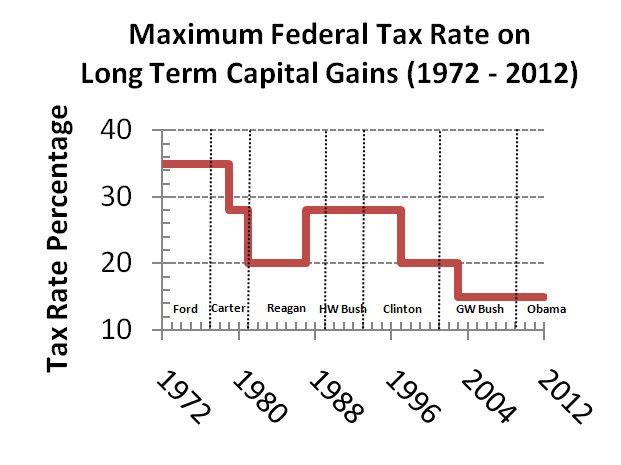
Long-term capital gains tax relief is now backed by Sebi, which could significantly benefit foreign investors in India. This decision aims to simplify investment processes and enhance market participation.
Overview of Sebi’s Decision
The Securities and Exchange Board of India (Sebi) has recently taken a significant step in supporting foreign investors by advocating for the removal of the long-term capital gains tax. This move aims to enhance the attractiveness of the Indian market for overseas investors, who have been facing challenges due to the existing tax structure.
Sebi’s recommendation comes in response to ongoing discussions regarding the impact of taxation on foreign investments. The current long-term capital gains tax, which applies to profits made from the sale of securities held for over a year, has raised concerns among potential investors about the profitability of their investments in India.
In addition to advocating for the removal of the long-term capital gains tax, Sebi is also seeking specific relief measures for mutual funds. These measures are designed to streamline operations and ensure that mutual funds remain competitive in a rapidly changing financial landscape.
Some key points regarding Sebi’s decision include:
- Investment Attraction: The removal of the capital gains tax could lead to increased foreign investment.
- Market Stability: Enhanced investor confidence may contribute to market stability.
- Long-term Growth: Focus on long-term growth for both domestic and foreign investors.
Impact on Foreign Investors
The recent decision by Sebi to support the removal of the long-term capital gains tax for foreign investors is poised to significantly impact the investment landscape in India. This move is expected to attract a greater influx of foreign capital, as it alleviates the tax burden that has deterred many potential investors.
Several key factors highlight the implications of this decision:
- Increased Investment: Eliminating the long-term capital gains tax may encourage foreign investors to consider India as a more favorable destination for their investments, increasing overall market liquidity.
- Market Sentiment: The removal of this tax could improve market sentiment, leading to positive momentum in stock prices and overall investor confidence.
- Competitive Advantage: By aligning with global investment practices that often favor tax relief, India can position itself more competitively against other emerging markets.
- Long-Term Growth: A boost in foreign investments can foster long-term growth in various sectors, ultimately benefiting the Indian economy.
As foreign investors weigh their options, the implications of the long-term capital gains tax relief could be a turning point for many, creating a win-win scenario for both investors and the Indian market.
Benefits of Mutual Fund Relief
The recent decision by Sebi to remove the long-term capital gains tax for foreign investors has sparked discussions about the potential benefits for mutual funds. This relief is expected to enhance the attractiveness of mutual funds as an investment option, especially for international investors looking to diversify their portfolios.
Some of the key benefits of this mutual fund relief include:
- Increased Investment Flows: With the elimination of long-term capital gains tax, foreign investments in mutual funds are likely to rise, providing a much-needed boost to the Indian market.
- Enhanced Market Liquidity: More foreign capital can lead to improved liquidity in the markets, making it easier for investors to buy and sell assets.
- Diverse Investment Opportunities: The removal of the tax barrier allows foreign investors to explore a wider range of mutual fund schemes, promoting healthier competition among fund houses.
- Potential for Higher Returns: With reduced tax liabilities, investors may experience enhanced returns on their investments, making mutual funds a more appealing choice.
In summary, the mutual fund relief proposed by Sebi could serve as a catalyst for increased foreign investment and benefit the overall financial ecosystem.
Understanding Long-Term Capital Gains
The concept of long-term capital gains tax is critical for investors looking to maximize their returns. This tax applies to profits made from the sale of assets held for more than a year, encouraging a buy-and-hold strategy. Understanding the nuances of this tax can help investors make informed financial decisions.
Investors benefit from lower tax rates on long-term capital gains compared to short-term gains, which are taxed at ordinary income rates. This favorable treatment is designed to promote investment and stability in the market. Here are some key points to consider:
- Holding Period: Assets must be held for at least one year to qualify for long-term capital gains tax rates.
- Tax Rates: The rates for long-term capital gains can vary, typically ranging from 0% to 20%, depending on the investor’s income level.
- Exemptions: Certain exemptions may apply, such as for primary residences or specific types of investments.
- Impact of Policy Changes: Recent policy shifts, like the removal of long-term capital gains tax for foreign investors, can significantly alter investment strategies.
Understanding these elements can empower investors to navigate their portfolios more effectively in light of changing regulations.
Market Reactions to the News
The recent announcement from Sebi regarding the potential removal of the long-term capital gains tax for foreign investors has elicited a strong reaction in the financial markets. Investors and analysts are closely monitoring the implications of this decision, which could significantly impact investment strategies and capital flows.
Market experts suggest that eliminating the long-term capital gains tax could lead to an influx of foreign investments, benefiting not only the stock market but also the overall economy. The sentiment among investors is cautiously optimistic, with many anticipating a rebound in stock prices as foreign funds may find Indian markets more attractive.
Some key points from market reactions include:
- Positive Outlook: Analysts predict that the removal of the tax could boost market confidence and increase participation from global investors.
- Increased Liquidity: As foreign investments rise, market liquidity is expected to improve, fostering a more vibrant trading environment.
- Focus on Mutual Funds: With potential tax relief on mutual funds, retail investors may also benefit from improved returns.
As the market digests this news, the long-term capital gains tax remains a pivotal topic among investors, shaping their strategies and expectations in the current economic climate.
Future of Investments in India
The future of investments in India is poised for transformation following recent regulatory developments. With the Securities and Exchange Board of India (Sebi) advocating for the removal of the long-term capital gains tax for foreign investors, the landscape appears increasingly favorable for both domestic and international players.
This shift is not merely a reaction to current market conditions; it signals a broader commitment to enhancing India’s attractiveness as an investment destination. As foreign investors weigh their options, the potential elimination of long-term capital gains tax could serve as a catalyst for increased capital inflow, stimulating economic growth.
Moreover, mutual fund relief, which Sebi is also advocating, is expected to create a more competitive environment. Investors will benefit from lower tax liabilities, making mutual funds a more appealing option for wealth generation.
- Increased foreign participation: The removal of the tax could lead to greater foreign direct investments.
- Greater market stability: A surge in investments may lead to more stable market conditions.
- Boost in innovation: Increased funding for startups and emerging sectors could drive technological advancements.
In summary, the proposed changes have the potential to reshape the investment landscape in India, making it more robust and dynamic for the future.
Expert Opinions on the Changes
Experts express a variety of opinions on the recent changes regarding the long-term capital gains tax, particularly in light of Sebi’s decision to support the removal of this tax for foreign investors. Many financial analysts believe that this shift could significantly enhance the attractiveness of Indian markets to international players.
Dr. Anjali Kumar, a tax consultant, states, “The removal of long-term capital gains tax for foreign investors is a prudent move that could lead to increased foreign direct investment, ultimately benefiting the Indian economy.”
On the other hand, Rajesh Mehta, a financial strategist, raises concerns: “While the relief may boost foreign inflows, it’s crucial to ensure that domestic investors also receive equitable treatment concerning long-term capital gains tax. A balanced approach will foster a more stable investment environment.”
Furthermore, Simran Joshi, an investment advisor, emphasizes the importance of understanding the implications: “Investors need to be well-informed about how changes in long-term capital gains tax can affect their portfolios. Such knowledge will empower them to make informed decisions.”
The consensus among experts is that while these changes may stimulate growth, ongoing dialogue and assessment will be essential to address potential disparities in tax treatment.
By Guest2625 via Openverse
References
Telegraph India · Long term capital gains tax
UK Dairy Companies: What’s the Best Proven Revenue Strategy? · Is the Next-Gen Hyundai Creta the Best Choice for You? · Engineers India Q2FY27 Results: Net Profit Soars 136% YoY