Kyle Stewart
Crypto asset prices are influenced by various factors. In this guide, we’ll explore the reasons behind Bitcoin’s price fluctuations and how they affect the market.
Understanding Crypto Asset Prices
Understanding crypto asset prices is essential for anyone looking to navigate the dynamic world of digital currencies. These prices are influenced by a myriad of factors, which can lead to significant fluctuations in value. One of the primary drivers of crypto asset prices is market demand; as more investors show interest in a particular asset, its price tends to rise. Conversely, a decrease in demand can lead to falling prices.
Another crucial factor is the overall sentiment within the market. Positive news, such as regulatory endorsements or technological advancements, can boost investor confidence and drive prices up. On the other hand, negative events, like hacks or legal issues, can create panic, leading to sharp declines in prices.
Additionally, external influences like macroeconomic trends play a role. For example, inflation rates and interest rates can impact investor behavior, affecting the flow of capital into crypto assets.
Lastly, the inherent volatility of crypto markets must be acknowledged. Unlike traditional assets, crypto asset prices can experience rapid changes in a short period, making it essential for investors to stay informed and agile.
- Market demand
- Investor sentiment
- External economic factors
- Market volatility
Factors Influencing Bitcoin’s Price
Several factors play a crucial role in influencing Bitcoin’s price and, by extension, the broader crypto asset prices. Understanding these elements can provide clarity on why fluctuations occur in this volatile market.
- Market Demand and Supply: The most fundamental economic principle, demand and supply, significantly impacts Bitcoin’s price. When demand increases and supply remains limited, prices tend to rise.
- Investor Sentiment: Market psychology can lead to sharp price movements. Positive news can drive prices up, while negative news can trigger sell-offs.
- Regulatory Developments: Government regulations can either foster growth or instill fear in investors. Announcements regarding regulation can lead to immediate price changes.
- Technological Changes: Innovations and upgrades, such as improvements in blockchain technology or changes in mining policies, can affect investor confidence and alter Bitcoin’s price.
- Global Economic Factors: Economic indicators, inflation rates, and geopolitical events can influence investor behavior, thereby impacting crypto asset prices.
By examining these factors, investors can better understand the complexities behind Bitcoin’s price fluctuations and make more informed decisions within the crypto market.
The Role of Market Sentiment
The fluctuations in crypto asset prices are significantly influenced by market sentiment. This sentiment reflects the overall attitude of investors towards the cryptocurrency market, which can shift rapidly based on news, events, and broader economic conditions.
Market sentiment can be categorized into two main types: bullish and bearish. A bullish sentiment indicates optimism, leading to increased buying activity, while a bearish sentiment suggests pessimism, resulting in selling pressure. Understanding these sentiments is crucial for anyone looking to navigate the volatile landscape of crypto asset prices.
Several factors contribute to market sentiment, including:
- News and Events: Major announcements, regulatory news, and technological advancements can sway investor feelings.
- Social Media Influence: Platforms like Twitter and Reddit can amplify sentiments, creating trends that impact prices.
- Market Trends: Historical price trends can influence current investor behavior; for example, past crashes might instill fear.
Additionally, the emotional aspect of trading cannot be overlooked. Fear of missing out (FOMO) and fear, uncertainty, and doubt (FUD) can cause rapid swings in market sentiment, leading to significant changes in crypto asset prices in a short time frame.
Historical Price Trends of Bitcoin
Bitcoin, the first and most recognized cryptocurrency, has experienced significant price fluctuations since its inception in 2009. Historical price trends reveal a pattern of volatility influenced by various factors, including market sentiment, regulatory news, and technological advancements.
In the early years, Bitcoin’s price remained relatively low, often below $1, but began to gain traction around 2013 when it surpassed $100. The subsequent surge in interest led to a rapid increase, peaking near $1,200 by the end of that year. However, this spike was followed by a sharp decline, illustrating the unpredictable nature of crypto asset prices.
By 2017, Bitcoin reached unprecedented heights, crossing the $20,000 mark in December. This meteoric rise attracted both institutional and retail investors, further contributing to market volatility. Subsequent years saw both dramatic drops and recoveries, with notable peaks in late 2020 and early 2021, where Bitcoin approached $65,000.
Understanding these historical trends is crucial for investors. Analyzing previous price movements can provide insights into potential future fluctuations and help in making informed decisions in the ever-changing landscape of crypto asset prices.
How to Analyze Crypto Market Movements
Analyzing crypto asset prices is essential for investors looking to navigate the volatile landscape of digital currencies. Several tools and strategies can aid in understanding market movements, allowing for informed decision-making.
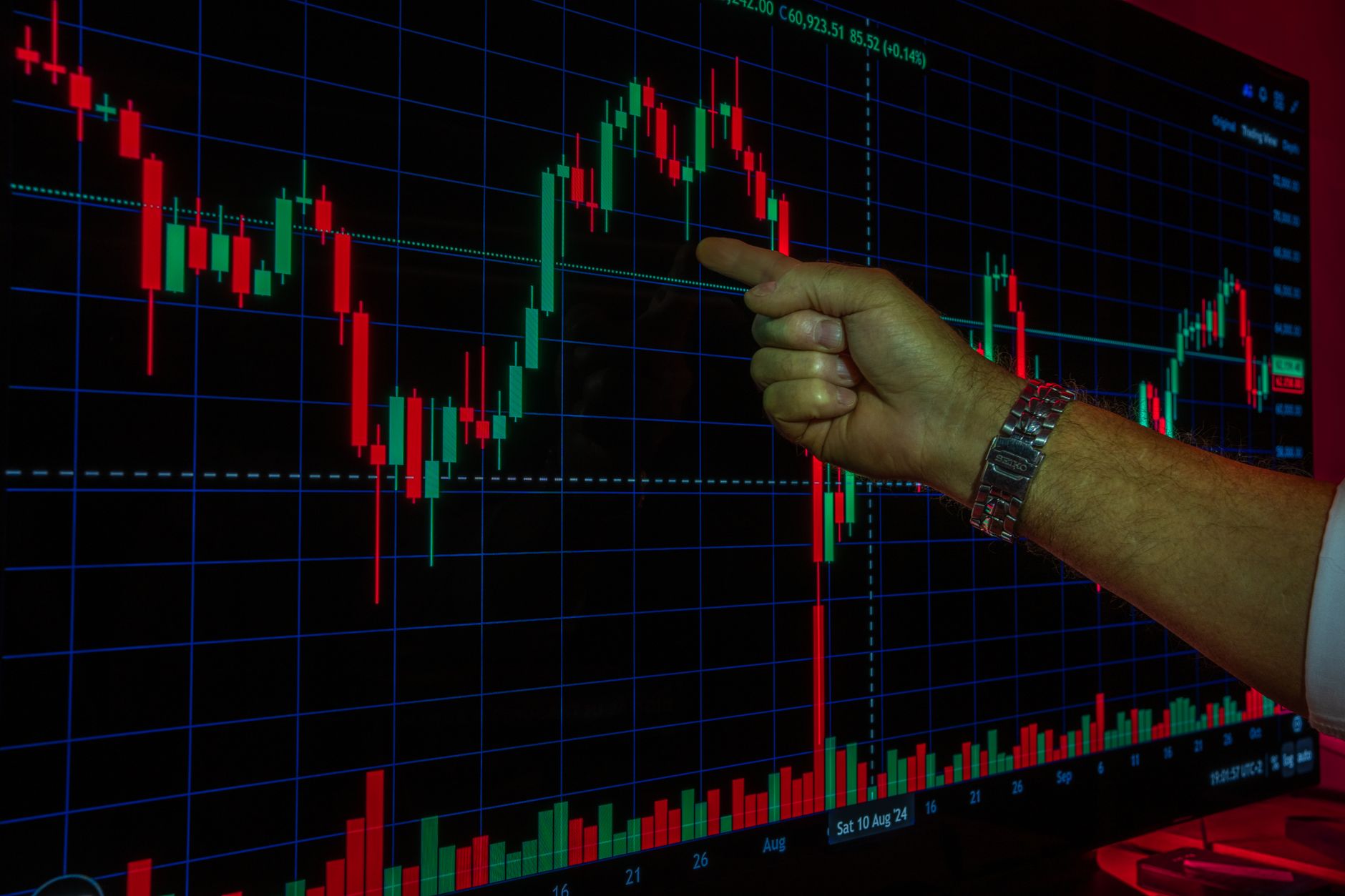
One effective method is to utilize technical analysis. This involves studying historical price charts and identifying patterns that may indicate future movements. Key indicators include:
- Moving Averages: These help smooth out price data to identify trends over a specific period.
- Relative Strength Index (RSI): A momentum oscillator that measures the speed and change of price movements.
- Volume Analysis: Examining the number of assets traded can provide insights into the strength of a price movement.
Additionally, fundamental analysis plays a crucial role. This involves assessing the underlying factors that may affect crypto asset prices, such as:
- Technological Developments: Innovations or improvements in blockchain technology can influence investor confidence.
- Regulatory Changes: Government policies and regulations can significantly impact market sentiment.
- Macro Economic Factors: Events such as inflation rates and economic crises can drive investors toward or away from cryptocurrencies.
By combining both technical and fundamental analyses, investors can better understand the fluctuations in crypto asset prices and make more strategic choices in their trading endeavors.