Kyle Stewart
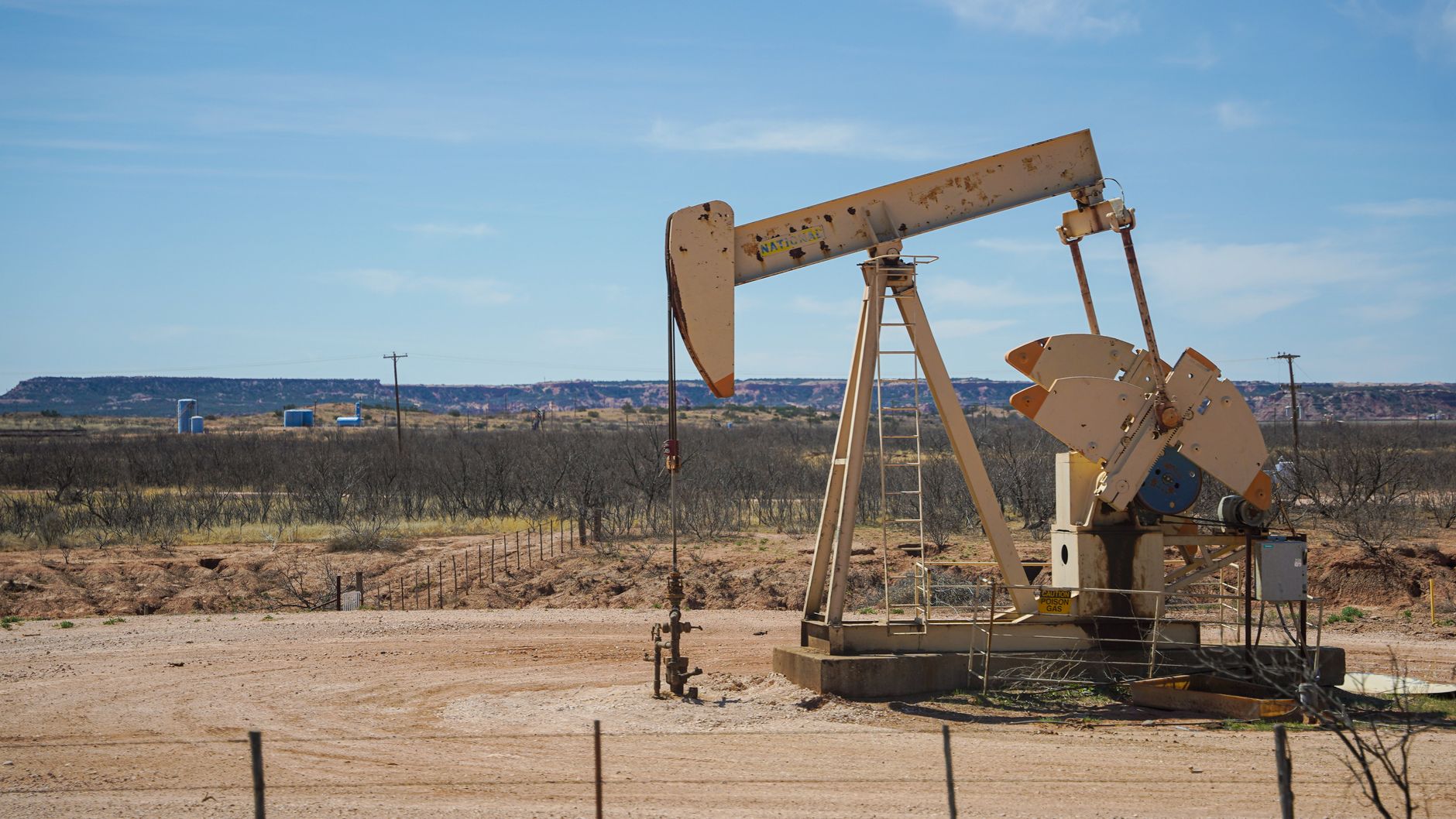
Brent crude oil has faced its worst week since April 2020, driven by post-midterms optimism for a potential Iran detente. This unexpected downturn has left many investors on edge.
Understanding Brent Crude Oil Trends
Brent crude oil has experienced significant fluctuations in recent weeks, reflecting broader geopolitical tensions and market dynamics. The recent downturn marks the worst week for Brent crude oil since April 2020, a period characterized by unprecedented volatility due to the pandemic.
Several factors contribute to the current trends in Brent crude oil prices:
- Geopolitical tensions: Ongoing concerns regarding Iran’s nuclear program and the potential for renewed negotiations have created uncertainty in the market. Traders are closely monitoring developments that could impact supply.
- Global demand recovery: As economies continue to recover from the effects of the pandemic, demand for oil is expected to rise. However, the pace of this recovery is uneven, adding complexity to pricing forecasts.
- Market speculation: Investor sentiment plays a crucial role in price movements. Speculation surrounding future supply and demand balances can lead to rapid changes in Brent crude oil prices.
In light of these factors, analysts are urging caution and advising stakeholders to remain vigilant. Understanding the intricate dynamics influencing Brent crude oil trends is essential for making informed decisions in this volatile market.
Impact of Iran Detente on Oil Prices
The recent detente between Iran and the West has significant implications for global oil prices, particularly for Brent crude oil. As negotiations progress, there are growing expectations that an increase in Iranian oil exports could flood the market, influencing supply dynamics.
Analysts suggest that this potential influx of Iranian oil may lead to a decrease in Brent crude prices in the near term. The prospect of additional barrels entering the market is already causing fluctuations, as traders adjust their expectations based on geopolitical developments.
Key factors to consider include:
- Increased Production: If negotiations succeed, Iran could ramp up production significantly, adding millions of barrels to the global supply.
- Market Sentiment: The optimism surrounding a potential agreement is impacting market sentiment, causing volatility in oil prices.
- Geopolitical Tensions: Although a detente may ease some tensions, uncertainties remain, which can also affect pricing.
In summary, the potential for increased Iranian oil exports could be a double-edged sword for Brent crude prices. While initially, it may lead to lower prices due to higher supply, the longer-term effects will depend on the stability of the geopolitical landscape and the overall demand for oil in a recovering global economy.
Market Reactions to Recent Oil Fluctuations
The recent fluctuations in Brent crude oil prices have prompted varied reactions in the global markets, reflecting the uncertainty surrounding geopolitical developments and economic forecasts. As Brent crude oil recorded its worst week since April 2020, analysts are closely monitoring the implications of these shifts.
Market participants are particularly concerned about the potential ramifications of improved relations with Iran, which could lead to an increase in oil supply. The hope for a resolution in diplomatic tensions has sparked discussions regarding future price stability, yet the immediate response has been one of caution.
- Investor Sentiment: Many investors remain wary, opting to hedge against volatility rather than committing to significant investments in oil futures.
- Price Projections: Analysts are divided, with some predicting a rebound in Brent crude oil prices if diplomatic efforts yield positive results, while others foresee continued instability as global demand remains uncertain.
- Market Volatility: The sharp decline in prices has led to increased volatility, with speculators adjusting their positions in response to news and market trends.
In conclusion, the market reactions to the recent downturn in Brent crude oil prices highlight the delicate balance between geopolitical developments and economic realities. As traders navigate these complexities, the coming weeks will be crucial for determining the future trajectory of oil prices.
Historical Context: April 2020 Oil Prices
The volatility in oil prices often draws comparisons to significant historical events, with April 2020 standing out as a particularly notable period. During that month, the onset of the COVID-19 pandemic led to unprecedented drops in demand, causing Brent crude oil prices to plummet to historic lows. As countries entered lockdowns and travel restrictions were imposed, many producers faced the dilemma of oversupply.
In April 2020, Brent crude oil futures fell dramatically, reaching negative values for the first time in history, reflecting the chaos in the oil markets. This situation was exacerbated by a price war between major oil producers, which further inflated supply amidst waning demand. The consequences were felt globally, leading to significant economic repercussions.
Fast forward to recent days, and the oil market is once again experiencing turbulence, resembling the chaotic environment of April 2020. Investors are grappling with uncertainty stemming from geopolitical tensions and fluctuating demand patterns. Key factors influencing the market include:
- The ongoing impact of global economic recovery.
- Changes in production levels from major oil-exporting nations.
- Emerging political developments, such as potential agreements regarding Iran.
As Brent crude oil posts its worst week since that tumultuous period, analysts are closely monitoring these trends to gauge the market’s direction moving forward.
Investor Sentiment and Future Predictions
Investor sentiment surrounding Brent crude oil has taken a significant hit following the recent market downturn, with many analysts expressing concerns about potential long-term implications. The latest data indicates that investors are increasingly wary of the volatility in oil prices, particularly in light of recent geopolitical tensions and economic uncertainties.
As market participants digest the implications of the post-midterms scenario, many are observing a cautious approach. The hope for an easing of sanctions on Iran has not materialized into tangible results, leading to skepticism regarding future supply dynamics. Some investors fear that any anticipated stability may be overshadowed by ongoing conflicts and inflationary pressures, which continue to affect global demand.
Looking ahead, several predictions have emerged regarding the trajectory of Brent crude oil prices:
- Short-term volatility: Experts anticipate that prices may continue to fluctuate as market reactions to geopolitical developments unfold.
- Long-term resilience: Some analysts believe that despite current setbacks, the fundamental demand for oil will eventually lead to a recovery.
- Influence of renewable energy: The ongoing shift towards renewable energy sources may also play a crucial role in shaping future oil markets.
Ultimately, investor sentiment remains fragile, and the outlook for Brent crude oil will depend heavily on both domestic and international developments in the coming months.
Analyzing the Energy Sector’s Response
The energy sector is experiencing significant turmoil as Brent crude oil posts its worst week since April 2020. Market analysts are closely monitoring the implications of this downturn on both domestic and global oil markets. Several factors have contributed to this sharp decline, prompting a range of responses from industry stakeholders.
One primary concern is the persistent volatility in oil prices, which has left investors feeling uncertain. The recent fluctuations have raised questions about the stability of Brent crude oil and its ability to recover in the near term. Analysts suggest that the ongoing geopolitical tensions, coupled with the potential for renewed negotiations regarding the Iran nuclear deal, could further exacerbate price instability.
In response to these challenges, many energy companies are reevaluating their strategies. Some are opting for a more cautious approach, focusing on cost-cutting measures and optimizing production levels to safeguard against future price shocks. Others are exploring new technologies and renewable energy sources to diversify their portfolios.
Furthermore, investor sentiment remains mixed. While some are optimistic about potential rebounds in the market, others are adopting a wait-and-see stance until clearer signs of recovery emerge. The energy sector’s adaptability will be crucial as it navigates these turbulent waters, particularly in light of the recent downturn in Brent crude oil prices.
Key Factors Influencing Current Oil Markets
The recent volatility in oil markets can be attributed to several key factors that have significantly influenced Brent crude oil prices. Understanding these elements is essential for both investors and industry stakeholders as they navigate the current landscape.
- Geopolitical Tensions: Ongoing conflicts in oil-rich regions continue to create uncertainty. Any escalation in these areas can lead to supply disruptions, prompting traders to react swiftly, which affects Brent crude oil pricing.
- Supply Chain Issues: The pandemic has left lasting impacts on global supply chains, causing delays and increased costs. This situation has been exacerbated by labor shortages and logistics challenges, further straining production capabilities.
- Demand Recovery: As economies begin to recover from the pandemic, demand for oil is on the rise. However, the pace of this recovery has been uneven, leading to fluctuations in consumption patterns that directly affect pricing.
- Regulatory Changes: New environmental regulations in various countries are pushing for a transition to renewable energy sources. This shift may influence long-term demand for fossil fuels, including Brent crude oil, as investors reassess their portfolios.
- Market Speculation: Traders often react to news and forecasts, which can lead to significant price swings. Speculative trading has been a major factor in the sharp declines seen in recent weeks.
Photo by jayjay13 on Pexels
Read the original
Related reading
German Green Steel IPO: Best Listing Gain Expectations Today · CEO Loses Top Richest Spot: A Clear Warning Sign · Inox India Q2FY27 Results: Clear Growth with Proven Revenue Boost