Kyle Stewart
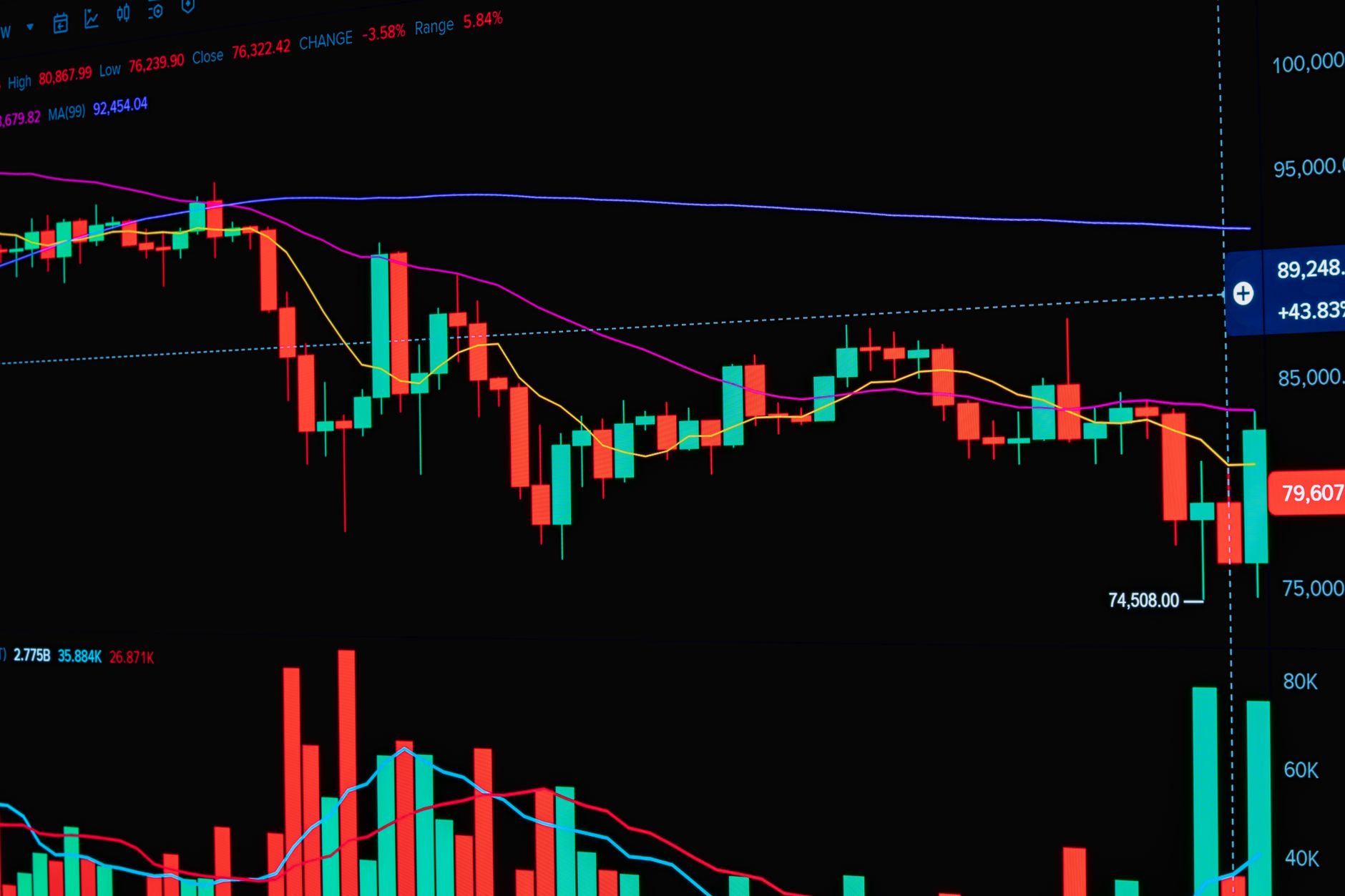
stock market updates indicate that the Sensex tumbled 555 points, while Nifty is close to 23,200 as crude prices surge. Investors are on edge as market conditions shift.
Understanding the Stock Market Drop
The recent stock market updates highlight a significant downturn, with the Sensex experiencing its worst drop in recent history. On September 24, 2026, the index fell by an alarming 555 points, leading to widespread concerns among investors. This sharp decline is attributed to several interlinked factors that have exacerbated market volatility.
One of the primary drivers of this drop is the surge in crude oil prices, which has direct implications for various sectors. As crude prices jump, the cost of production for many companies increases, leading to potential profit reductions. This situation creates a ripple effect, impacting investor sentiment and leading to panic selling.
Additionally, external economic factors, including geopolitical tensions and inflationary pressures, have contributed to the market’s instability. Investors are grappling with uncertainty, prompting a reevaluation of their portfolios. Many are opting to pull back from equities, seeking safer investment avenues amidst the turmoil.
Experts suggest that the current environment necessitates a cautious approach. Understanding the stock market drop and its underlying causes is essential for investors aiming to navigate through these turbulent times. Staying informed through regular stock market updates can help in making strategic investment decisions.
Impact of Crude Prices on Markets
The recent surge in crude prices has significantly influenced stock market updates, contributing to a notable decline in major indices. As crude oil prices reached their highest levels in recent months, concerns about inflation and increased production costs have prompted investors to reevaluate their positions.
The primary impacts of rising crude prices on the markets include:
- Increased operational costs: Many companies, especially in the transportation and manufacturing sectors, face higher expenses due to increased fuel prices. This can lead to reduced profit margins and ultimately affect stock valuations.
- Inflationary pressures: A rise in crude prices often translates to higher consumer prices, leading to inflation. Central banks may respond by tightening monetary policy, which can negatively impact market sentiment and investment activity.
- Sector-specific volatility: Energy and utility stocks tend to react strongly to fluctuations in crude prices. While some may benefit from higher oil prices, others, particularly those reliant on oil as a key input, may experience sharp declines in their stock prices.
As investors digest these factors, the stock market continues to exhibit volatility, underscoring the interconnectedness of crude prices and broader market performance.
Nifty’s Performance Amidst Volatility
In the midst of significant volatility, the Nifty index has also faced substantial challenges, reflecting the broader trends affecting the stock market. As of September 24, 2026, Nifty is hovering near the critical threshold of 23,200 points, a stark indicator of the prevailing market conditions.
Market analysts attribute this decline primarily to fluctuating crude prices, which have a proven impact on investor sentiment. The recent spike in crude prices has led to increased concerns about inflation and its cascading effects on the economy. Investors are closely monitoring these shifts, as any further increases could trigger additional sell-offs across the board.
The performance of the Nifty can be summarized through the following key points:
- Nifty’s near 23,200: This level is crucial for maintaining investor confidence in the market.
- Volatility Ahead: Analysts predict continued fluctuations as global economic conditions evolve.
- Investor Sentiment: Many traders are adopting a cautious approach, focusing on defensive stocks.
As the stock market updates unfold, investors are urged to remain vigilant and informed, considering the potential implications of ongoing volatility on their portfolios.
Expert Opinions on Current Trends
As the stock market grapples with significant fluctuations, experts are providing their insights into the current trends affecting investors. The recent drop in the Sensex by 555 points has raised concerns among market analysts, who are closely monitoring the implications of this downturn.
Dr. Anjali Mehta, a prominent financial analyst, stated that the volatility is largely driven by external factors, particularly the surge in crude oil prices. “As crude prices increase, the inflationary pressures on the economy intensify, which can lead to tighter monetary policies,” she explained. This sentiment is echoed by many in the financial community, emphasizing the interconnectedness of global markets.
Rajesh Kumar, a veteran stock trader, noted the significance of investor sentiment during these turbulent times. “The stock market updates show that fear often leads to hasty decisions. It’s crucial for investors to remain calm and focus on long-term strategies rather than react impulsively to daily fluctuations,” he advised.
Additionally, Dr. Priya Singh highlighted the importance of diversification in investment portfolios to mitigate risks during such uncertain periods. “Investors should look beyond traditional stocks and consider bonds or commodities as a buffer against market volatility,” she recommended. As the situation evolves, staying informed through reliable stock market updates will be essential for making sound investment choices.
Future Outlook for Indian Stock Market
The future outlook for the Indian stock market remains uncertain following the recent turbulence characterized by the worst Sensex drop in recent history. Analysts suggest that several factors will play a crucial role in shaping market trends in the coming months.
Firstly, the volatility of crude oil prices will continue to be a significant influencer. As crude prices soar, the inflationary pressures may affect consumer spending and corporate profitability, leading to a cautious approach among investors.
Secondly, the global economic landscape is also expected to impact the Indian stock market. Key indicators such as interest rates in major economies, geopolitical tensions, and trade agreements will likely influence investor sentiment. A slowdown in global growth could lead to reduced foreign investment, which would further strain market performance.
Moreover, domestic factors, including government policies and the upcoming fiscal budget, will be closely monitored. Investors are keen to see how the government plans to stimulate growth and manage the economic fallout from recent market fluctuations.
In conclusion, while there are challenges ahead, some analysts remain optimistic about recovery, citing potential opportunities in select sectors. As we navigate through these turbulent times, staying informed through regular stock market updates will be essential for investors.
Investors are closely monitoring stock market updates as the recent downturn raises concerns about economic stability. Analysts predict that these stock market updates will influence trading strategies in the coming weeks.
Photo by Markus Spiske on Pexels
Read the original
Related stories
Quaker Houghton stock shows quick gains after earnings beat · General Mills Q1 earnings show clear positive growth · Elevate Campuses IPO: Neutral Call on Valuations Looks Risky