Kyle Stewart
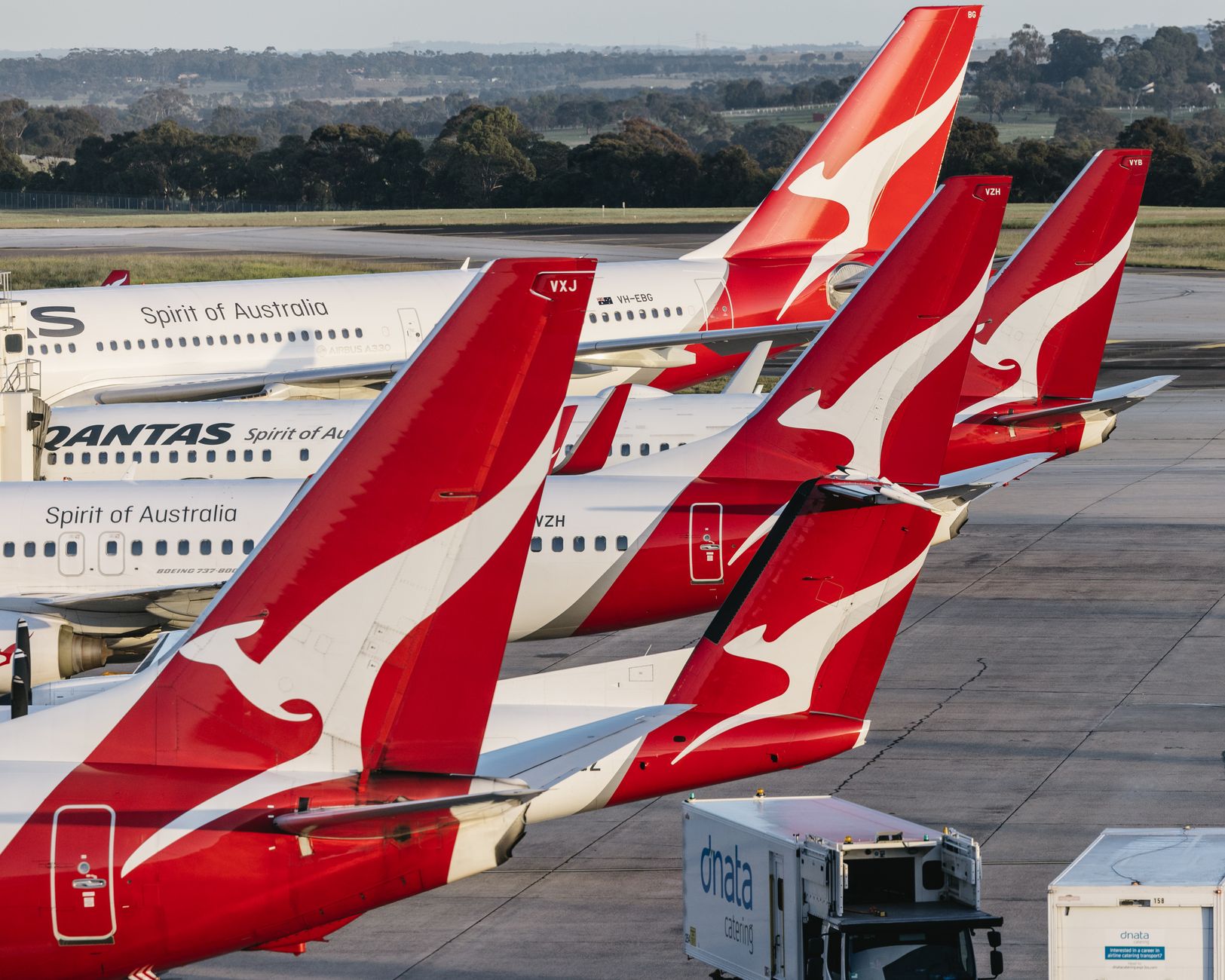
Qantas job cuts are making headlines as the airline announces the elimination of 850 jobs at its headquarters. This significant move raises concerns about the future of Australian employment in the airline industry.
Impact of Qantas Job Cuts on Employees
The recent announcement by Qantas regarding job cuts has sent shockwaves through the airline industry and left employees grappling with uncertainty. As the company plans to eliminate 850 roles at its headquarters, many workers fear for their future and the stability of their families.
These cuts have not only affected those directly losing their jobs but have also created a ripple effect throughout the organization. Employees report a sense of anxiety and distress, as they worry about the remaining workforce’s workload and morale. Qantas job cuts signify a shift in company priorities, with plans to transfer work to India, further complicating the situation for local staff.
Many workers are left questioning the company’s commitment to its Australian workforce. The decision has sparked outrage among unions and has raised concerns about the broader implications for the aviation sector in Australia.
In the wake of these changes, employees are organizing to voice their concerns, seeking support from the community and advocating for fair treatment. The impact of the Qantas job cuts will be felt not just in the loss of positions but also in the diminishing trust between the airline and its dedicated workforce.
Reasons Behind Qantas’s Decision
The decision by Qantas to implement significant job cuts has drawn considerable criticism from various stakeholders. Several reasons have been cited for the airline’s choice to reduce its workforce by 850 roles.
- Cost Reduction: The primary motive behind the Qantas job cuts is to streamline operations and reduce overhead costs. In a competitive industry, managing expenses is crucial for survival.
- Shift in Operations: Qantas is moving certain operational tasks to countries like India, where labor costs are significantly lower. This shift is aimed at increasing efficiency and profitability.
- Post-Pandemic Recovery: The airline industry continues to grapple with the aftermath of the COVID-19 pandemic. As travel demand fluctuates, Qantas is attempting to adapt to changing market conditions.
- Strategic Realignment: The management believes that restructuring the workforce will allow Qantas to focus on core services and improve overall productivity.
While these reasons may justify the decision from a business perspective, the impact on the affected employees and their families cannot be overlooked, raising concerns about the ethical implications of such actions.
Future of Australian Airlines
The recent decision by Qantas to implement job cuts has raised significant concerns about the future of Australian airlines. As the company reduces its workforce by 850 roles, many industry experts are questioning the implications for both the airline and the broader aviation sector.
With Qantas shifting some of its operations to India, the competitive landscape may change dramatically. This move could lead to a range of challenges, including:
- Job Security: The reduction in domestic roles may lead to an overall decrease in employment opportunities within Australia.
- Service Quality: Outsourcing certain functions could impact the quality of service that customers have come to expect from Qantas.
- Industry Reputation: The decision could tarnish Qantas’s reputation as a leading Australian airline, affecting customer loyalty.
Additionally, analysts believe that these Qantas job cuts could set a troubling precedent for other airlines in the region. As airlines face economic pressures, the trend of outsourcing jobs and reducing local employment may become more common, threatening the stability of the sector in Australia.
Public Reaction to Job Cuts
The announcement of Qantas job cuts has sparked widespread outrage among the public and industry experts alike. Many are voicing their concerns over the impact these layoffs will have on the airline’s reputation and the Australian economy as a whole.
Social media platforms have been flooded with reactions, with users expressing their disbelief and disappointment. A common sentiment among the public is that the decision to cut 850 roles is not only detrimental to those who will lose their jobs but also to the overall morale of the workforce.
Several advocacy groups and unions have condemned the move, arguing that it reflects a troubling trend of outsourcing jobs to reduce costs. Many believe that such actions undermine the commitment to local employment and could lead to further job insecurity in the industry.
Critics have also pointed out that Qantas should be focusing on rebuilding and supporting its workforce rather than making drastic cuts. In response, some have begun to organize protests to demand that the airline reconsider its strategy. As the situation develops, public opinion on the Qantas job cuts will likely continue to evolve, reflecting deeper concerns about corporate responsibility and community impact.
Comparison with Other Airlines
The recent announcement of Qantas job cuts has raised eyebrows, especially when compared to the strategies of other airlines. Many industry experts are closely monitoring how Qantas’s decision to eliminate 850 roles at its headquarters contrasts with the approaches taken by competitors.
Several airlines have adopted different tactics to manage financial pressures, focusing on retaining staff while enhancing operational efficiency. For instance, Air New Zealand has prioritized workforce stability by implementing temporary salary reductions rather than job cuts, allowing them to maintain employee morale and loyalty. Similarly, Delta Air Lines has invested in employee training programs to upskill its workforce, ensuring that staff are equipped to handle evolving roles within the company.
In contrast, Qantas’s decision to shift work to India as part of its restructuring has sparked controversy. Critics argue that such actions may undermine long-term growth and employee trust. While cost-cutting measures can provide short-term relief, they may not be sustainable in the competitive airline industry.
As Qantas faces the consequences of its job cuts, industry watchers are keen to see how this decision will affect its reputation and operational capabilities in the years to come.
Economic Implications of Outsourcing
The decision by Qantas to implement significant job cuts has raised concerns about the broader economic implications of outsourcing. By shifting 850 roles to India, the airline not only alters its workforce dynamics but also impacts the local economy in various ways.
Many experts argue that such outsourcing practices can lead to:
- Job Losses: The immediate effect is the loss of jobs for current employees, which can lead to increased unemployment rates in the affected areas.
- Reduced Local Spending: As former employees lose their income, there could be a decline in consumer spending, affecting local businesses and services.
- Skill Drain: Outsourcing may result in a loss of skilled labor in the local market, hampering long-term economic growth and innovation.
- Public Sentiment: As public outrage grows over Qantas job cuts, the company’s reputation may suffer, potentially impacting its customer base and revenue.
In the long run, the decision to cut jobs and outsource roles may save costs for Qantas, but it raises critical questions about the sustainability of such an approach in the competitive airline industry and its effects on the Australian workforce.
Qantas’s Strategic Shift to India
In a significant strategic shift, Qantas is set to outsource a substantial portion of its operations to India, a move that has raised eyebrows across the aviation industry. This decision comes on the heels of the announcement of Qantas job cuts, which will see 850 roles eliminated from the airline’s headquarters. By relocating various functions overseas, Qantas aims to reduce operational costs and enhance efficiency.
Industry analysts suggest that this decision reflects a broader trend among airlines moving towards outsourcing to manage financial pressures. The focus on Indian markets allows Qantas to tap into a skilled workforce at a fraction of the cost. However, this strategic pivot has ignited concerns regarding the potential loss of jobs in Australia and the long-term impact on local employment.
Qantas has defended its decision by emphasizing the need to stay competitive in an increasingly challenging market. The airline insists that this shift will ultimately benefit its customers through improved services and pricing. Nevertheless, the decision has faced criticism from labor unions and employees, who argue that the Qantas job cuts undermine the airline’s commitment to its workforce and the Australian economy.
The Qantas job cuts have sparked outrage among employees and unions alike. Many believe that these Qantas job cuts will have long-lasting effects on the airline’s reputation and workforce morale.
Photo by Josh Withers on Pexels